When Numbness in Your Hands Signals More Than Just Temporary Pressure
If your hands frequently fall asleep with numbness or tingling that lasts beyond a few minutes, or occurs alongside weakness or balance problems, seek medical evaluation promptly. Persistent or worsening symptoms may indicate nerve compression or underlying health issues that require diagnosis and treatment.
Is Your Hand Numbness Temporary or a Sign of Nerve Compression?
Many people experience the classic pins-and-needles feeling when a nerve is pressed or blood flow is restricted temporarily. This commonly happens if you sleep with your wrist bent or lean on your arm for too long. Usually, the sensation resolves quickly after changing position.
However, numbness that recurs frequently, lasts longer than a few minutes, or is accompanied by weakness or clumsiness may involve the median nerve or other peripheral nerves being compressed. This can result from repetitive motions like typing or underlying conditions affecting nerve health.
Quick Self-Check: Are Both Hands Affected or Just One?
Numbness isolated to one hand, particularly with tingling in the thumb, index, and middle fingers, often points to median nerve irritation at the wrist, known as carpal tunnel syndrome. When both hands or feet are involved, or symptoms spread gradually, systemic factors such as diabetes or vitamin deficiencies may be contributing.
Check Your Medicine Cabinet
Some common medications can contribute to nerve symptoms as a side effect. Drugs used for certain infections, chemotherapy, or high cholesterol may affect nerve function and circulation. If you suspect your medication could be involved, discuss this with your prescribing doctor before making any changes.
Understanding the Median Nerve’s Role in Hand Numbness
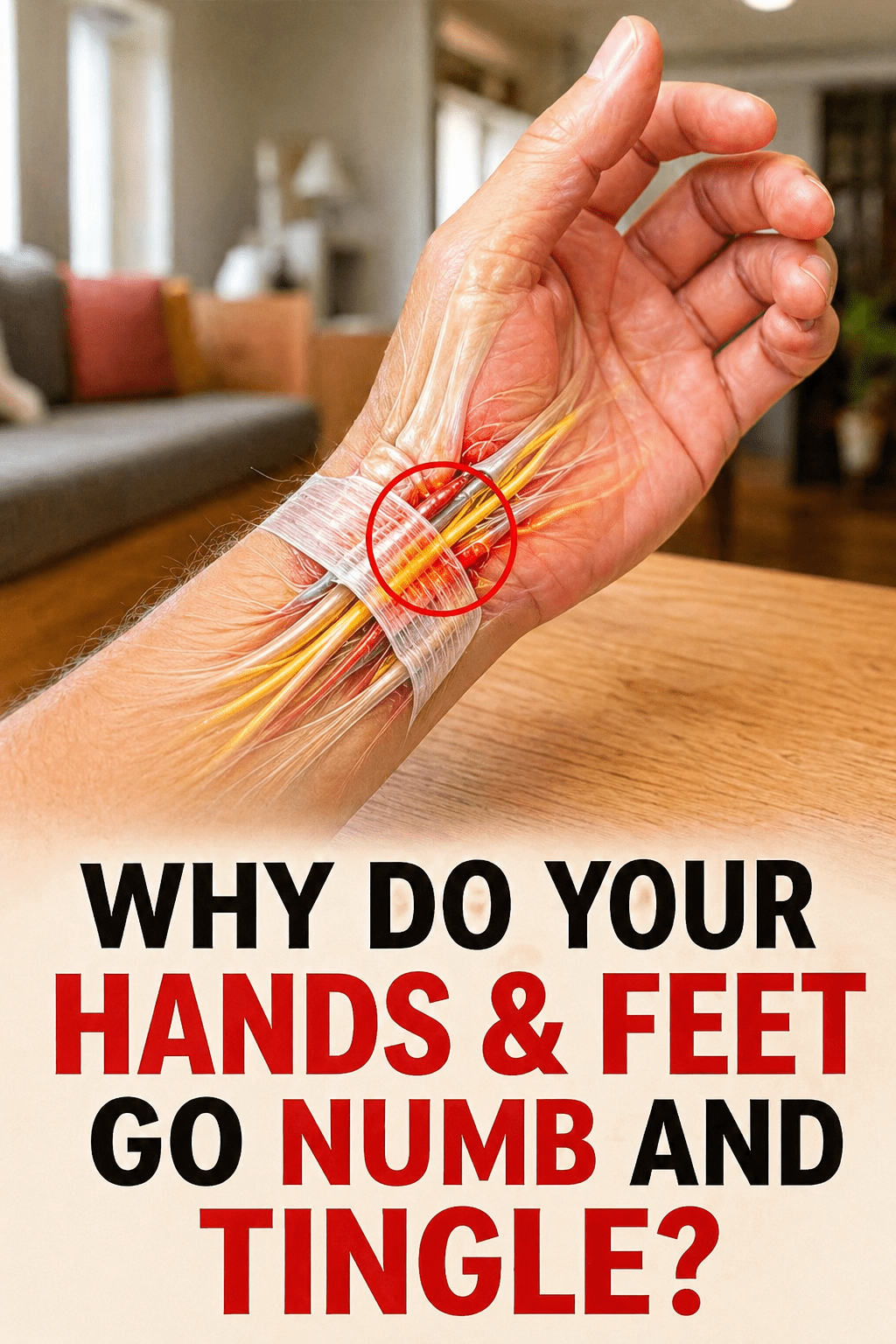
The median nerve passes through a narrow tunnel in the wrist. Repetitive use, inflammation, or swelling can narrow this space, irritating the nerve and causing tingling or numbness primarily in the thumb, index, middle, and part of the ring finger. Symptoms often worsen at night due to wrist positioning during sleep.
Why Nighttime Symptoms Are Common
During sleep, wrists tend to bend unconsciously, increasing pressure on nerves. Fluid shifts in the body at night can also contribute to nerve compression. This explains why many people wake with numb or tingling fingers but feel better after moving around.
Small Changes That Can Make a Big Difference
Simple adjustments like keeping your wrists straight while sleeping, taking frequent breaks from repetitive hand tasks, and maintaining good posture can reduce nerve irritation. Supporting overall nerve health with balanced nutrition and staying active also helps maintain circulation and nerve function.
When to Consult a Healthcare Professional
If numbness is frequent, persistent, spreading beyond your hands, or accompanied by muscle weakness or problems with coordination, it’s important to get evaluated. Early diagnosis and treatment can prevent progression and address underlying causes effectively.
Here are the 10 most common causes and considerations. Number 1 reveals the condition doctors most closely monitor — and it’s more common than many realize.