Understanding Wrinkle Formation and Natural Skin Support
Wrinkles and fine lines develop primarily due to aging-related changes in the skin’s structure and function. Key factors include oxidative stress, chronic inflammation, and reduced blood flow to the skin. These contribute to the breakdown of collagen and elastin, essential proteins that maintain skin’s firmness and elasticity.
Many people notice wrinkles gradually appearing as early as their 30s or 40s, but skin changes continue well into later decades. By age 70, mature skin often shows more pronounced lines and sagging due to slower cell regeneration and diminished circulation.
While cosmetic treatments like Botox work by temporarily relaxing facial muscles to reduce wrinkle appearance, natural approaches focus on supporting skin health at a deeper level. This involves nourishing the skin, improving circulation, and reducing inflammation to help maintain a youthful glow and smoother texture.
What Natural Remedies Can and Cannot Do
Natural topical treatments, such as herbal tonics, may help protect skin from environmental damage and soothe tension that contributes to wrinkle formation. They often contain antioxidants that neutralize free radicals, compounds responsible for oxidative damage. Additionally, anti-inflammatory properties can reduce puffiness and redness, while improved microcirculation supports nutrient delivery and skin repair.
However, it is important to understand that such remedies cannot stop or reverse the aging process, nor can they replace medical procedures designed to alter muscle activity or skin structure. Instead, they serve as supportive measures to enhance skin condition over time, especially when combined with healthy lifestyle habits like hydration and a balanced diet rich in antioxidants.
Key Clinical Measures and Safety Considerations
In a medical setting, skin aging is often evaluated by dermatologists using clinical scales and imaging to assess wrinkle depth and skin elasticity. While no standard blood test diagnoses skin aging, markers of oxidative stress and inflammation may be monitored indirectly through overall health assessments.
When using herbal remedies, caution is advised as natural does not automatically mean safe. Some plant compounds can interact with medications or cause allergic reactions. Performing a patch test before widespread application is recommended. Individuals with sensitive skin or those on medications should consult a healthcare provider before adding new herbal products to their skincare routine.
Consistent use over several weeks is generally necessary to observe any visible benefits, and these effects tend to be subtle and gradual rather than immediate or dramatic.
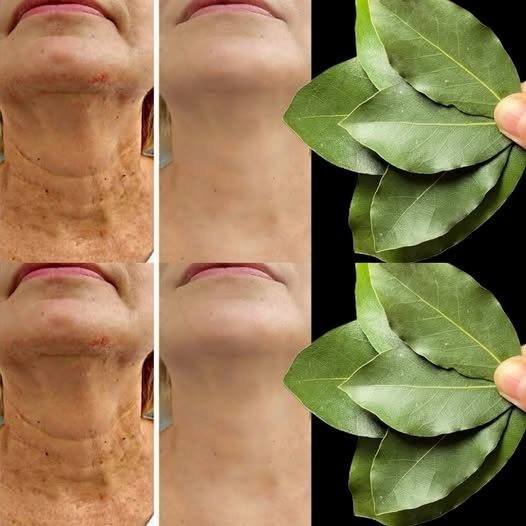
Here are the 5 natural effects of bay leaf on skin aging, with one standing out as especially impactful for wrinkle reduction.