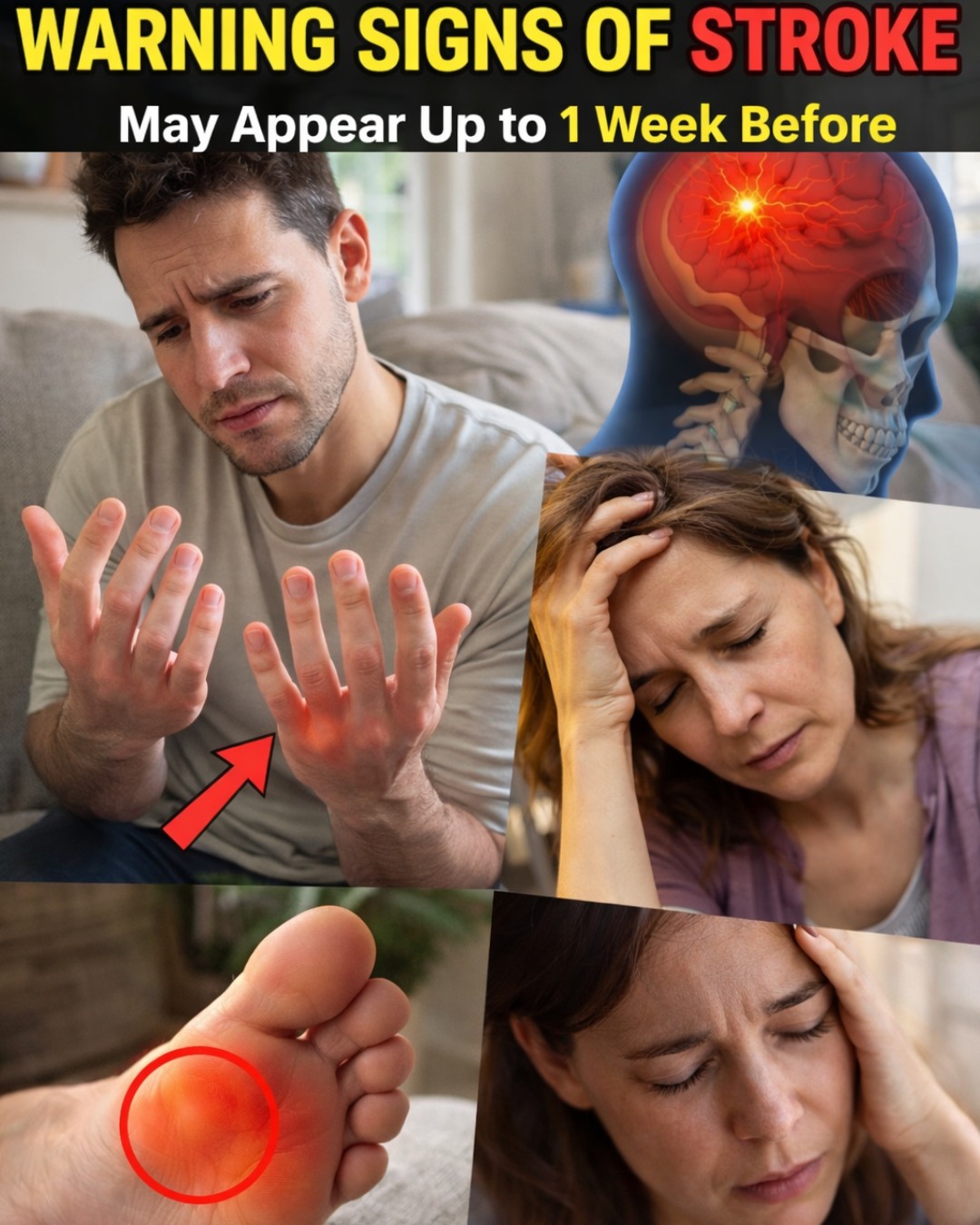
1. Sudden numbness or weakness
One of the most critical and recognizable early signs of a potential stroke is sudden numbness or weakness, especially when it affects one side of the body. This symptom often appears abruptly and can involve the face, arm, or leg. For example, a person may notice that one side of their face droops when trying to smile, or that an arm feels too weak to lift or hold objects.
These symptoms result from impaired blood flow to specific areas of the brain that control motor function and sensation. Because they can appear suddenly and affect only one side, they serve as a clear warning that immediate medical evaluation is needed.
- Facial drooping or numbness on one side
- Weakness in one arm or leg
- Difficulty holding items or maintaining balance due to limb weakness
Recognizing this sign early and calling emergency services can enable treatments like clot-busting drugs or mechanical thrombectomy within the critical therapeutic window, significantly reducing long-term disability.
2. Confusion or speech difficulty
Another important early indicator is sudden confusion or trouble speaking and understanding speech. This might manifest as slurred words, inability to find the right words, or difficulty comprehending what others are saying. These changes can be temporary but signal disrupted brain function related to language centers.
Confusion may also include trouble with memory or disorientation to time and place. Because speech difficulties are often noticeable to others, they are a key part of stroke recognition protocols, such as the F.A.S.T. test.
- Slurred or garbled speech
- Trouble forming complete sentences
- Difficulty understanding spoken language
- Sudden onset of confusion or disorientation
Prompt evaluation is essential since timely intervention can preserve speech and cognitive abilities.
3. Vision problems
Sudden vision changes, including blurred vision, double vision, or partial loss of sight in one or both eyes, may precede a stroke. These symptoms arise when blood supply to the visual processing areas or optic pathways in the brain is compromised.
Vision problems can be subtle or dramatic but should never be ignored, especially if they are new and sudden. Patients might experience:
- Sudden blurred or dim vision
- Double vision or difficulty focusing
- Partial or complete loss of vision in one eye
- Visual field defects such as tunnel vision or blind spots
Because vision changes are also common in other conditions, it is crucial to seek medical assessment to rule out stroke or transient ischemic attacks that may herald a full stroke.





