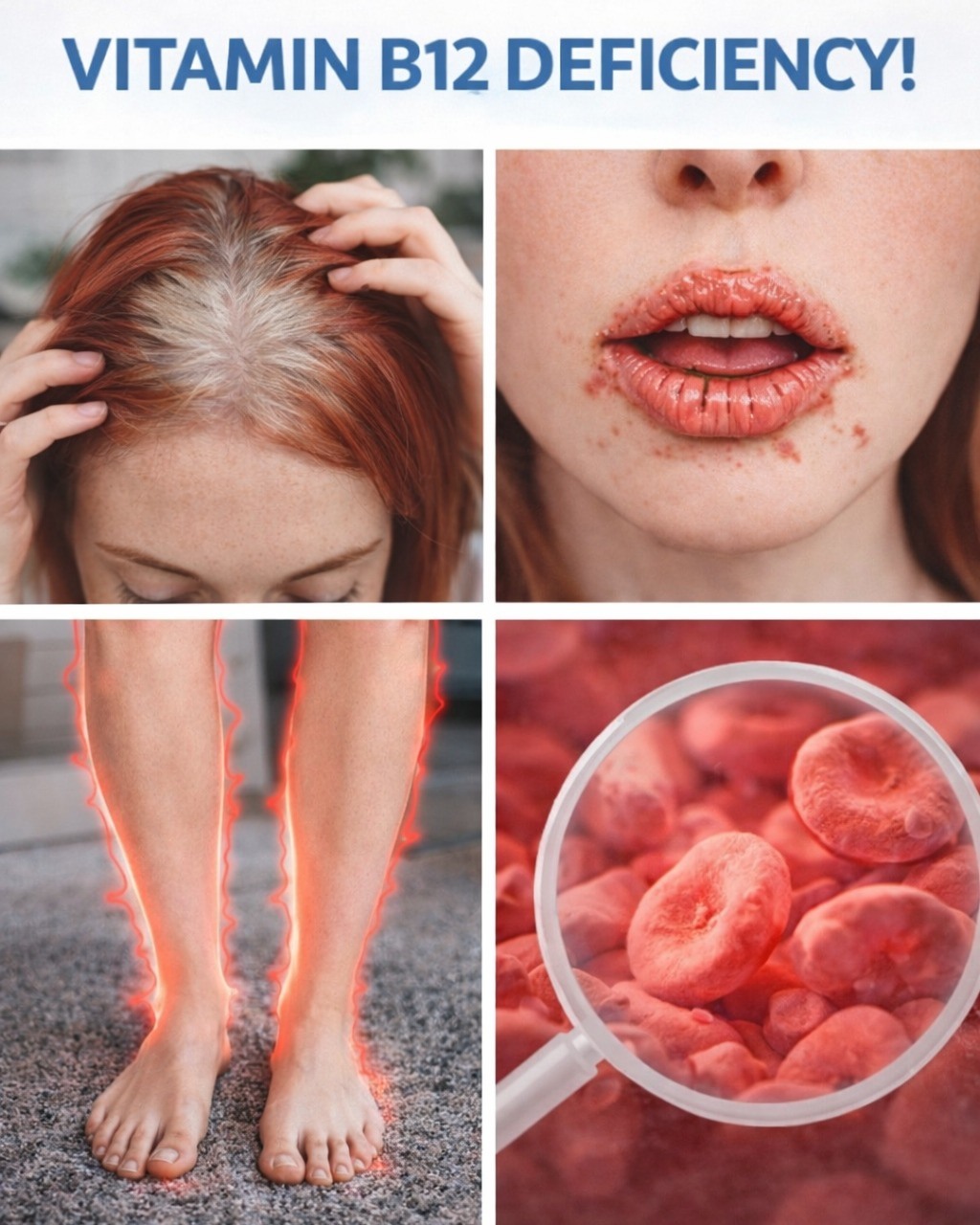
4. Feeling Cold in Extremities
Another less obvious symptom linked to vitamin B12 deficiency is an unusual sensitivity to cold, especially in your hands and feet. This occurs because B12 is vital for producing healthy red blood cells that transport oxygen efficiently. When red blood cell production is impaired, circulation may suffer, leading to cold sensations in the extremities.
This symptom can be subtle and easily overlooked, often attributed to room temperature or poor circulation from other causes. However, if you find yourself consistently colder than others around you, especially alongside other signs, it may warrant testing your B12 levels.
- Persistent coldness in fingers and toes
- Feeling chilled despite adequate clothing or warmth
- Possible accompanying numbness or tingling
5. Brain Fog and Mood Changes
Vitamin B12 plays a critical role in neurological function and the synthesis of neurotransmitters that regulate mood and cognition. When levels are low, you might experience brain fog, memory lapses, difficulty concentrating, or mood disturbances such as irritability, anxiety, or depression.
These mental health symptoms can be confusing because they may seem unrelated to physical health and are often mistaken for stress or aging. Yet, vitamin B12 deficiency is a reversible cause of cognitive decline and mood disorders if identified and treated early.
- Difficulty focusing or remembering information
- Feeling mentally sluggish or “foggy”
- Unexplained mood swings or low mood
If these symptoms persist, it’s important to discuss them with a healthcare provider who can evaluate vitamin levels alongside other neurological assessments.
6. Pale or Yellowish Skin
Changes in skin color can signal underlying blood cell issues caused by vitamin B12 deficiency. You might notice a paler complexion than usual or a subtle yellowish tint, known as mild jaundice.
This occurs because B12 is essential for red blood cell production. Without enough B12, fragile red blood cells break down prematurely, leading to anemia and a slight accumulation of bilirubin, which causes the yellowish skin tone.
- Gradual paleness of the skin and mucous membranes
- A faint yellow tint visible in natural light
- Possible accompanying fatigue or shortness of breath
These skin changes often develop slowly and should prompt medical evaluation, particularly if they accompany other signs like weakness or dizziness.





