Emergency Notice
If you experience severe dizziness, swelling, or sudden chest pain while taking amlodipine, seek immediate medical attention. These can be signs of serious complications.
How Small Habits Can Undermine Your Amlodipine Treatment
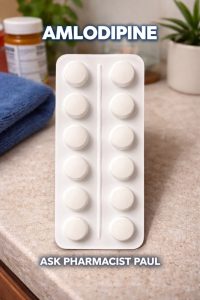
If you are prescribed amlodipine to manage high blood pressure, you might notice your symptoms persist or side effects like swollen ankles, dizziness, or fatigue remain despite following your doctor’s instructions. Many everyday habits quietly interfere with how well amlodipine works, reducing its effectiveness and making side effects more noticeable. Understanding which habits impact your medication is the first step toward better blood pressure control and improved wellbeing.
Why Focus on Habits When Taking Amlodipine?
Amlodipine works by relaxing blood vessels to lower blood pressure, but certain foods, drinks, supplements, and lifestyle choices can either increase side effects or blunt its benefits. For example, some substances can alter how your liver processes the drug, leading to higher or lower blood levels than intended. Others may add to blood vessel constriction or fluid retention, directly opposing the medication’s action.
By identifying and adjusting these habits, you can help your medication work as prescribed, reduce side effects, and achieve more stable blood pressure readings.
Check Your Medicine Cabinet and Diet: Common Overlooked Interactions
One of the most common but missed culprits is grapefruit and grapefruit juice. Compounds in grapefruit inhibit liver enzymes responsible for breaking down amlodipine, causing increased drug levels in your bloodstream. This can lead to side effects like flushing, headaches, and swelling. Avoiding grapefruit products or switching to alternatives like orange or apple juice can prevent these issues.
Similarly, many people use over-the-counter pain relievers like ibuprofen regularly without realizing that nonsteroidal anti-inflammatory drugs (NSAIDs) can reduce amlodipine’s effectiveness and stress the kidneys. Discuss safer pain management options with your doctor to avoid unintended blood pressure fluctuations.
Alcohol and Tobacco: Additive Risks Affecting Blood Pressure Control
Alcohol consumption, even in moderate amounts, has an additive blood pressure-lowering effect when combined with amlodipine. This can increase the risk of dizziness, lightheadedness, and fatigue, especially when standing up quickly. Reducing alcohol intake or choosing non-alcoholic alternatives helps maintain steadier blood pressure and balance.
Smoking and tobacco use constrict blood vessels and elevate heart rate, counteracting amlodipine’s vessel-relaxing effects. Quitting smoking not only improves medication effectiveness but also reduces heart strain and improves overall cardiovascular health.
Hidden Dietary Sodium and Herbal Supplements
High sodium intake promotes fluid retention and raises blood pressure, opposing amlodipine’s benefits. Processed foods, canned soups, and restaurant meals often contain unexpected amounts of salt. Limiting dietary sodium to under 2,300 mg per day and using herbs or lemon for flavor can support your medication’s action.
Some herbal supplements, especially St. John’s Wort, speed up liver metabolism of amlodipine, lowering its concentration and reducing effectiveness. Always disclose any supplements you take to your healthcare provider before starting or continuing them.
The Role of Caffeine and Licorice in Blood Pressure Management
Excessive caffeine from coffee, energy drinks, or strong tea may slightly oppose amlodipine by stimulating the nervous system, causing jitteriness and making blood pressure less predictable. Limiting caffeine intake and switching to decaffeinated or herbal teas can improve stability.
Licorice contains compounds that raise blood pressure and cause fluid retention, directly conflicting with amlodipine’s purpose. Even small amounts consumed regularly can increase swelling and blood pressure. Checking labels for licorice extract and choosing alternatives can help maintain better control.
Making These Changes Work for You
These eight habits are common and often overlooked factors that reduce amlodipine’s effectiveness. The good news is that making small, manageable adjustments—like swapping grapefruit juice for other fruit juices, moderating alcohol, reducing sodium, quitting smoking, avoiding regular NSAIDs, steering clear of certain herbal supplements, limiting caffeine, and avoiding licorice—can lead to noticeable improvements within weeks.
Tracking your symptoms and blood pressure readings as you change these habits provides valuable feedback and helps you and your healthcare provider fine-tune your treatment plan.
Here are the 8 habits you should stop this year if you are taking amlodipine. Number 5 is the one that can silently undermine your treatment the most — and it’s a common over-the-counter medication.