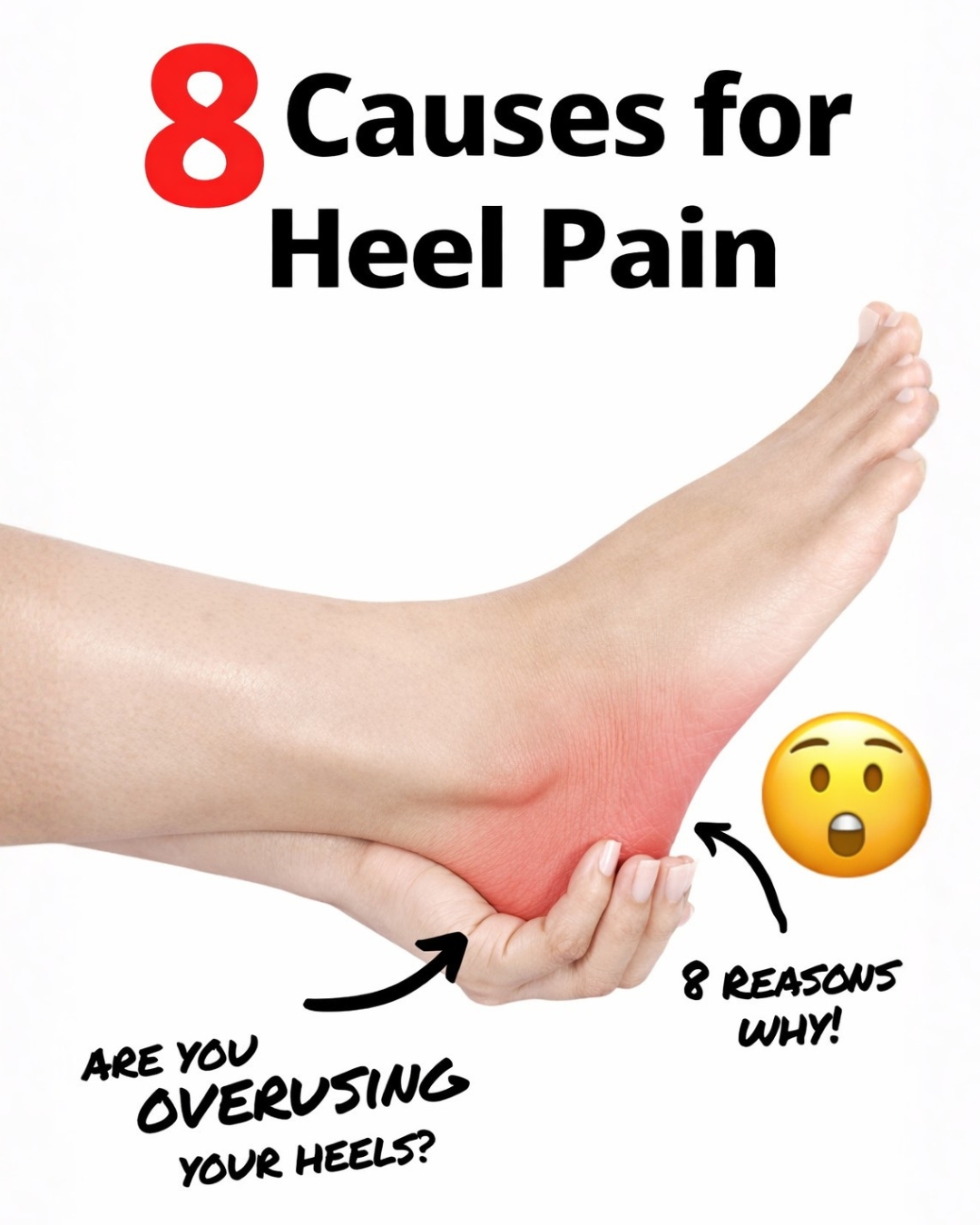
1. Plantar Fasciitis
Plantar fasciitis is the leading cause of heel pain and involves inflammation of the plantar fascia, a thick band of connective tissue supporting the foot’s arch. This condition commonly arises from repetitive strain, prolonged standing, or wearing inadequate footwear lacking arch support.
Patients typically report a stabbing pain in the heel, especially noticeable with the first steps after waking or after resting. The pain often lessens with movement but can return after extended activity or at the end of the day.
Treatment focuses on reducing inflammation and relieving tension on the plantar fascia. Recommended strategies include:
- Wearing shoes with good arch support and cushioning
- Using orthotic inserts to correct foot mechanics
- Performing daily calf and plantar fascia stretches
- Applying ice to the heel to reduce inflammation
- Taking over-the-counter nonsteroidal anti-inflammatory drugs (NSAIDs) as advised by a healthcare provider
- Resting and avoiding high-impact activities during flare-ups
In persistent cases, physical therapy or corticosteroid injections may be considered under medical guidance.
2. Sprains and Strains
Sprains refer to ligament injuries, whereas strains involve muscles or tendons around the foot and ankle. These injuries typically occur due to sudden twisting motions, falls, or sports-related trauma and can cause pain radiating toward the heel.
Symptoms often include localized tenderness, swelling, and difficulty bearing weight. The severity varies from mild overstretching to complete tears, impacting recovery time.
Initial management follows the R.I.C.E. protocol:
- Rest: Limit weight-bearing activities to prevent further damage
- Ice: Apply ice packs for 15-20 minutes every 2-3 hours during the first 48 hours to reduce swelling
- Compression: Use elastic bandages to support the injured area
- Elevation: Keep the foot elevated above heart level to minimize swelling
Medical evaluation is important to rule out fractures or severe ligament damage. Rehabilitation exercises to restore strength and flexibility are often necessary after the initial healing phase.





