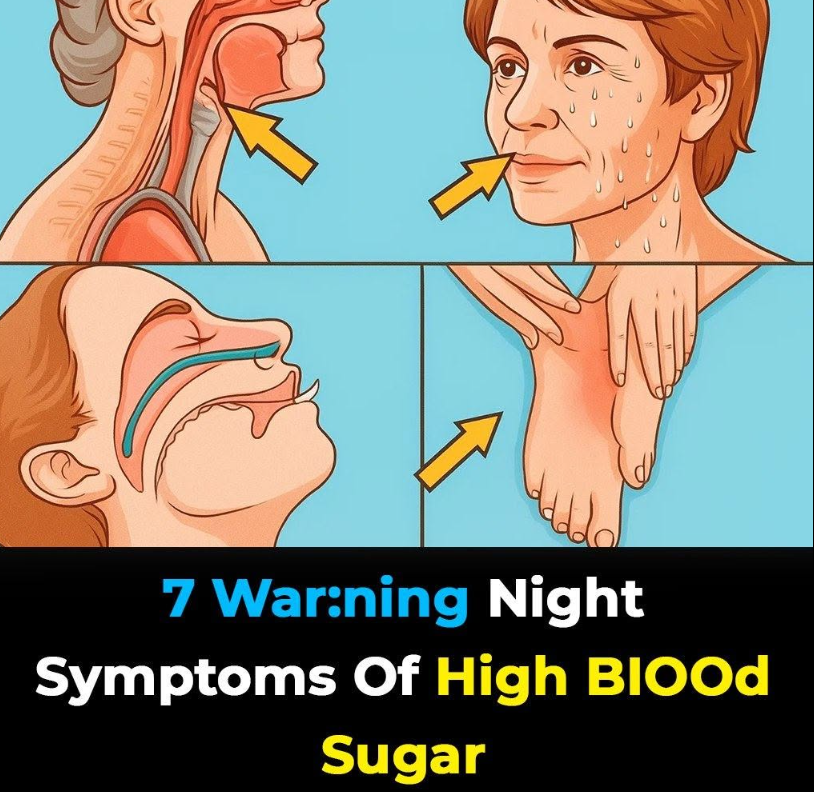
7. Morning Fatigue and Headaches
Waking up feeling unusually tired, foggy, or with headaches can be a sign that high blood sugar is affecting your sleep quality and hydration status. Even after a full night’s sleep, hyperglycemia can leave the body struggling to use glucose efficiently, leading to low energy and cognitive sluggishness.
These symptoms are nonspecific and can result from many health problems, but when combined with other nighttime symptoms such as frequent urination or thirst, they strengthen the case for blood sugar testing.
When to See a Doctor
If you experience one or more of these nighttime symptoms persistently—especially frequent urination, intense thirst, blurred vision, or numbness in the feet—it’s important to consult a healthcare professional. Additional concerning signs include unexplained weight loss, slow-healing wounds, frequent infections, and mood changes.
A doctor may order blood tests such as fasting plasma glucose, HbA1c, or an oral glucose tolerance test to diagnose or rule out diabetes and prediabetes. Early diagnosis enables timely intervention to reduce the risk of complications.
Seek emergency care immediately if you develop severe weakness, confusion, difficulty breathing, vomiting, dehydration, fruity-smelling breath, or extreme sleepiness, as these may indicate diabetic ketoacidosis, a medical emergency.
Conclusion
Nighttime symptoms like frequent urination, strong thirst, restless sleep, night sweats, blurred vision, tingling feet, and morning fatigue can be important indicators of high blood sugar. While these signs are not exclusive to diabetes, their presence warrants medical evaluation.
Proactive testing and management can help maintain blood sugar within target ranges and prevent long-term health problems. If you notice these symptoms, talk to your healthcare provider about appropriate screening and next steps.
Disclaimer: This article provides general information and is not a substitute for professional medical advice, diagnosis, or treatment. If you have persistent symptoms or concerns about high blood sugar, please consult a healthcare professional.





