7. Severe Headache
A sudden, severe headache with no known cause can sometimes indicate a transient ischemic attack or other cerebrovascular event. Unlike typical headaches, this one is intense, abrupt, and may be accompanied by nausea, dizziness, vision changes, weakness, or confusion.
While not every headache signals a stroke, an unusual or extremely painful headache in an elderly person should be taken seriously and evaluated promptly.
- Sudden onset of a very intense headache
- Headache accompanied by neurological symptoms
- Headache different from previous patterns
When to See a Doctor
If any of these symptoms appear suddenly—even if they resolve within minutes—call emergency services immediately. A transient ischemic attack is a medical emergency signaling a high risk of a full stroke, which requires prompt diagnosis and treatment.
Do not wait to see if symptoms improve on their own or try to drive the person to the hospital yourself if emergency services are available. Early evaluation may include brain imaging, blood tests, heart rhythm monitoring, and vascular studies to identify treatable causes such as blood clots, artery narrowing, or cardiac arrhythmias.
Conclusion
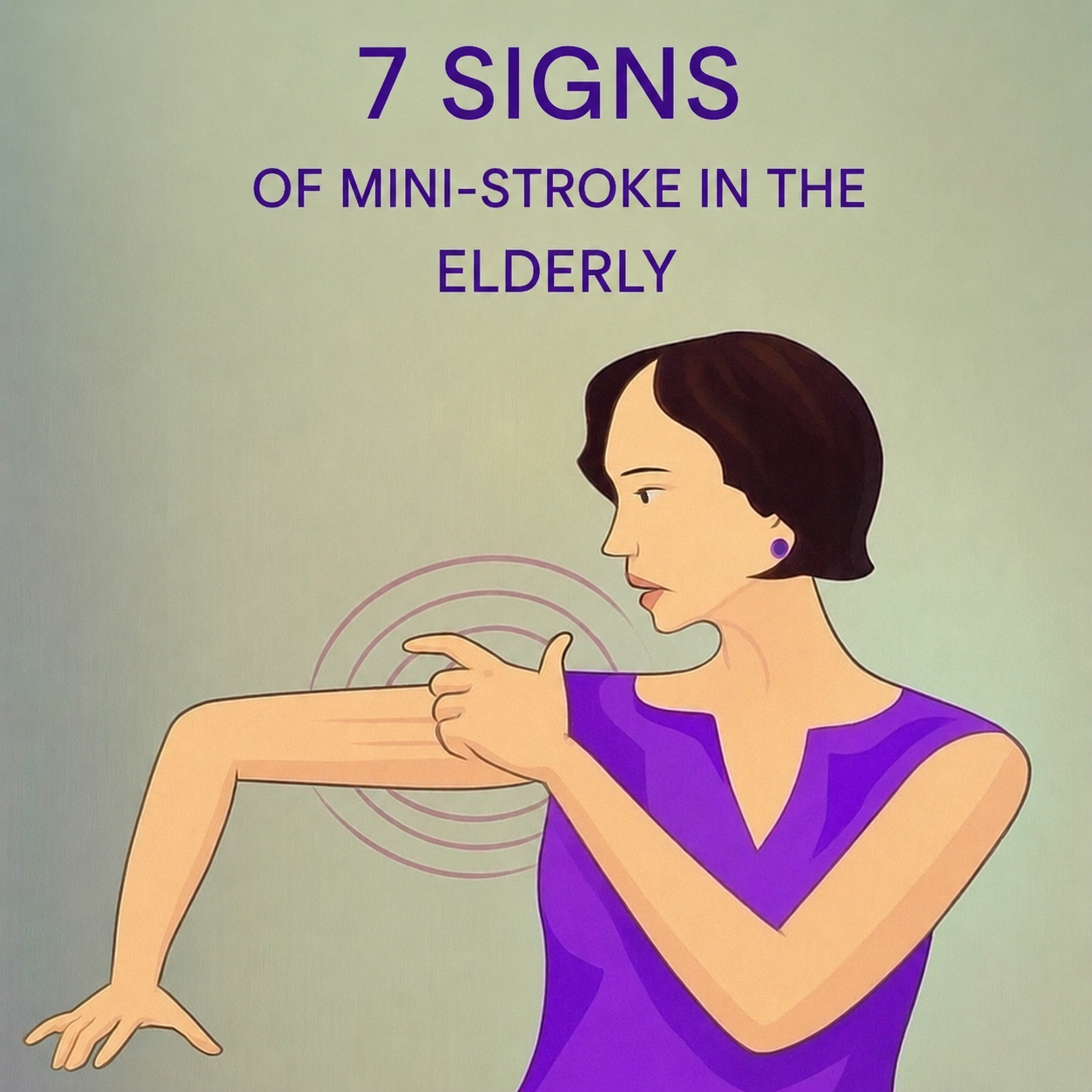
Recognizing the seven warning signs of a mini stroke in the elderly—sudden weakness or numbness, face drooping, speech difficulties, vision changes, dizziness and balance problems, sudden confusion, and severe headache—is critical for timely intervention. Because transient ischemic attacks often precede full strokes, urgent medical evaluation can allow for treatments that reduce the risk of permanent brain damage.
Always take sudden neurological symptoms seriously and seek emergency care to protect brain health and improve outcomes.
Disclaimer: This article provides general educational information and is not a substitute for professional medical advice, diagnosis, or treatment. If you suspect a transient ischemic attack or stroke, call emergency services immediately.





