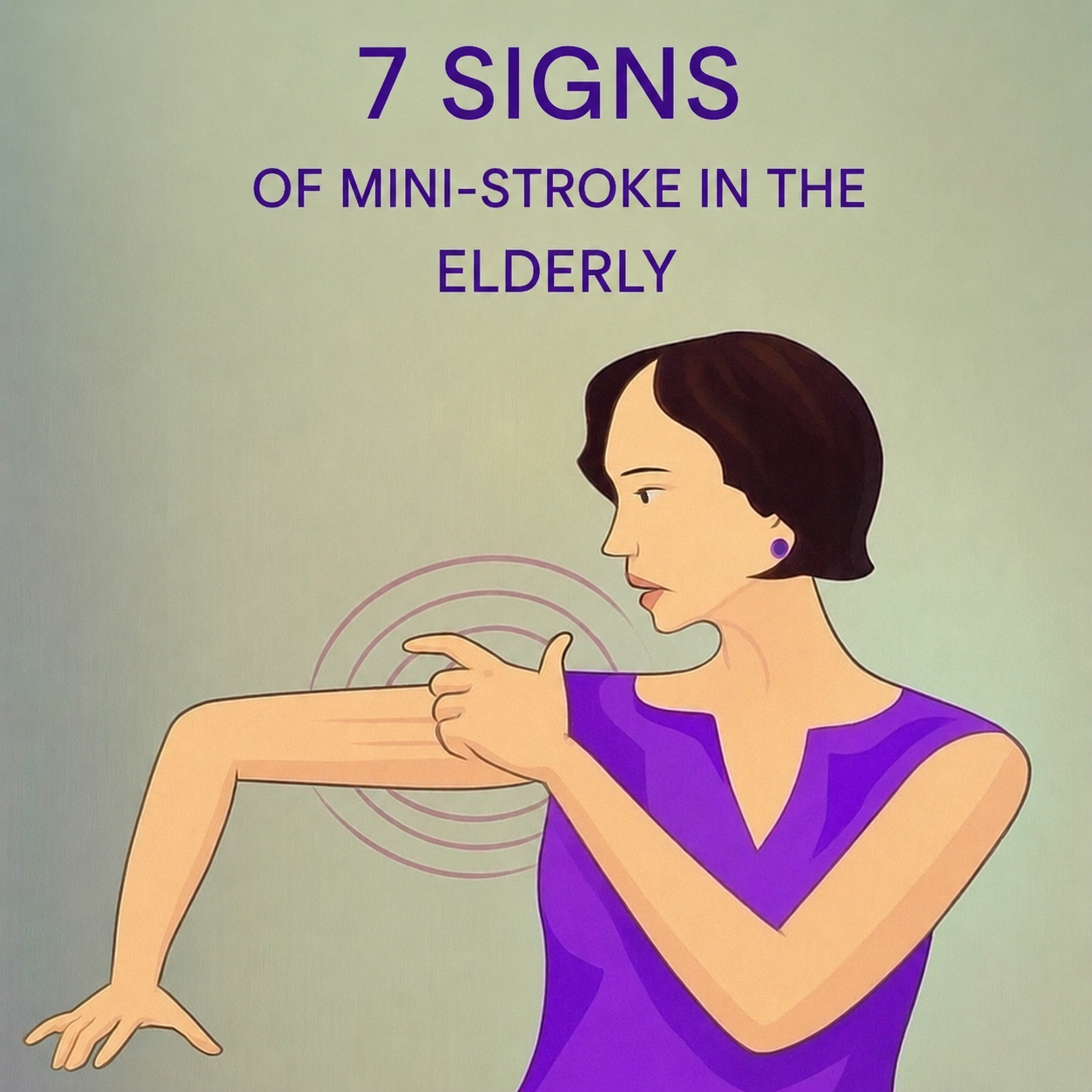
1. Sudden Weakness or Numbness
Sudden weakness or numbness typically affects one side of the body—the face, arm, or leg. In elderly individuals, this may present as an inability to hold objects firmly, difficulty lifting one arm, dragging a leg while walking, or a sensation of heaviness or loss of feeling on one side. These symptoms often appear abruptly and may resolve within minutes, but they should never be ignored.
This symptom occurs because a transient ischemic attack temporarily disrupts blood flow to parts of the brain responsible for motor control and sensation. Even if the weakness or numbness subsides, it signals an unstable blood supply that requires urgent evaluation to prevent a full stroke.
- Sudden inability to move or feel one side of the body
- Dropping objects unexpectedly
- Unexplained clumsiness or stumbling
If you notice sudden weakness or numbness in an elderly person, call emergency services immediately. Early diagnosis and treatment can reduce the risk of severe brain injury.
2. Face Drooping
Face drooping is a visible sign of muscle weakness on one side of the face caused by interrupted blood flow to brain regions controlling facial muscles. In practice, this might look like an uneven smile or a sagging mouth corner. Asking the person to smile or show their teeth can reveal this asymmetry.
This symptom is a core component of the FAST acronym used in stroke recognition. Because facial muscles are usually symmetrical, any sudden drooping should prompt immediate medical attention—even if it improves quickly.
- One side of the face appears lower or less responsive
- Difficulty forming facial expressions
- Uneven or lopsided smile
Do not wait to see if the drooping resolves on its own. Seek emergency care as this could be a transient ischemic attack warning.
3. Speech Difficulties
Sudden changes in speech can include slurred words, difficulty finding the right words, repeating phrases, or trouble understanding spoken language. In elderly patients, these symptoms may be mistaken for confusion or cognitive decline, but their abrupt onset differentiates them from chronic issues.
Speech difficulties occur when areas of the brain involved in language processing and production experience temporary ischemia. Prompt recognition and immediate medical evaluation are critical to prevent progression to a full stroke.
- Slurred or garbled speech
- Inability to repeat simple sentences
- Difficulty understanding questions or instructions
If speech changes appear suddenly, call emergency services right away. Do not attempt to diagnose or treat this at home.





