3. Alcohol
Excessive alcohol consumption is a well-known cause of neuropathy, often referred to as alcoholic neuropathy. Chronic heavy drinking damages peripheral nerves, leading to symptoms such as burning pain, heightened sensitivity to touch (hyperalgesia), and pain from normally non-painful stimuli (allodynia).
Alcohol interferes with the absorption of essential nutrients like thiamine (vitamin B1), which is vital for nerve function. Over time, this nutrient deficiency combined with direct neurotoxic effects of alcohol can cause persistent nerve damage.
If you notice symptoms such as muscle weakness, tingling, burning sensations, or cramps triggered or worsened by alcohol, it is advisable to limit or avoid drinking. Reducing alcohol intake can significantly improve neuropathy symptoms and overall nerve health.
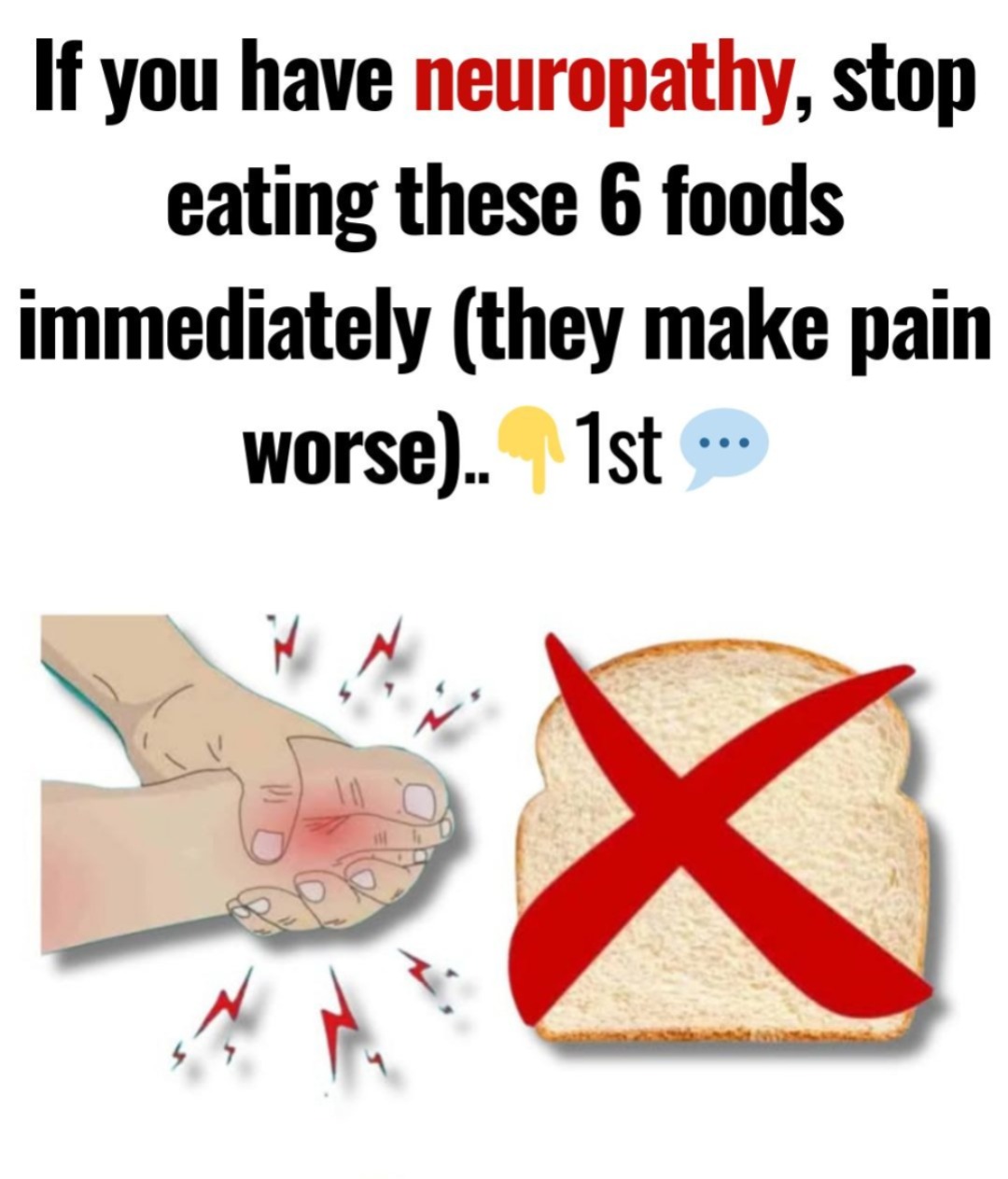
4. Refined grains
Refined grains such as white bread, white rice, and pasta have a high glycemic index, meaning they cause rapid spikes in blood sugar levels. For people with diabetic peripheral neuropathy, managing blood glucose is critical to preventing nerve damage and pain progression.
Regular consumption of refined grains leads to frequent blood sugar fluctuations that worsen nerve inflammation and damage. To mitigate this effect, replace refined grains with lower glycemic alternatives like whole grains, legumes, or vegetables such as zucchini noodles.
Additionally, cooking and then cooling starchy foods like pasta and rice can reduce their glycemic impact. Maintaining stable blood sugar through dietary choices is one of the most effective strategies to slow the progression of diabetic neuropathy.





