1. Physical activity
Physical activity acts as an immediate and effective way to lower blood sugar by enabling your muscles to absorb glucose independently of insulin. This process is especially crucial for individuals with insulin resistance, where the usual insulin pathway is impaired. Even 15 minutes of moderate movement, such as walking after a meal, can significantly reduce blood glucose levels and improve overall glycemic control for hours afterward.
If mobility is limited, activating the soleus muscle—located in the calf—while seated can also enhance glucose uptake. This can be done by repeatedly lifting and lowering your heels while keeping the balls of your feet grounded for 10 to 15 minutes. These simple exercises create an alternate glucose clearance pathway, effectively lowering blood sugar without the need for insulin.
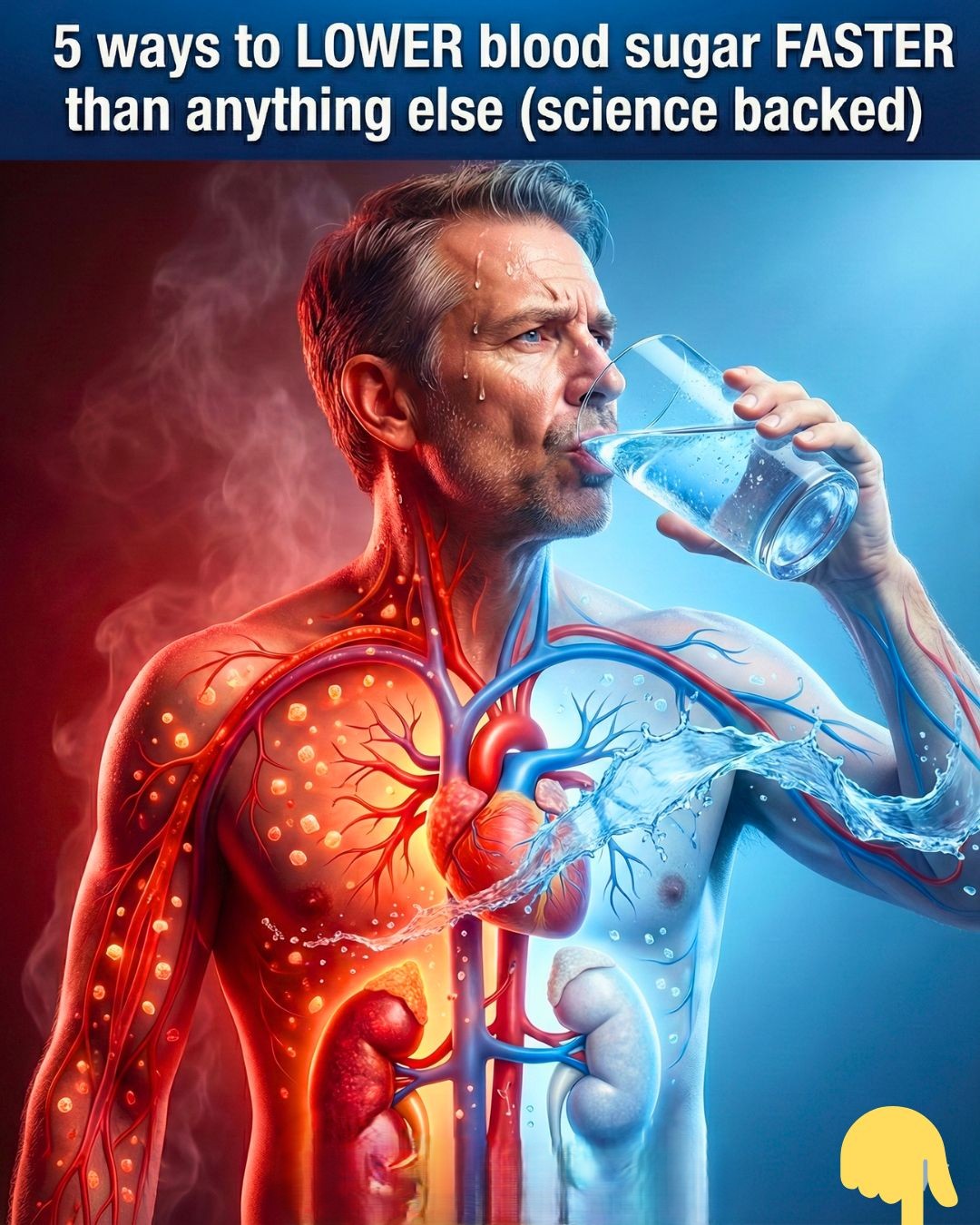
2. Hydration
Maintaining proper hydration is a foundational step for effective blood sugar control. Elevated blood glucose causes your kidneys to excrete more water in an effort to reduce glucose concentration, leading to dehydration. This dehydration concentrates blood sugar further, creating a vicious cycle that worsens glucose readings. Additionally, dehydration can elevate stress hormones like cortisol, further impairing glucose regulation.
Drinking water consistently helps maintain blood volume and kidney function, supporting the body’s natural mechanisms to manage glucose levels. It’s important to sip water slowly and continue hydrating over time rather than attempting to rapidly flush out glucose. While hydration alone won’t drastically lower blood sugar, it is a necessary support for all other glucose-lowering strategies to function optimally.
3. Meal timing and composition
Contrary to some beliefs, skipping meals when blood sugar is high can backfire. Fasting often triggers stress responses that cause your liver to release more glucose into the bloodstream, potentially leading to higher glucose levels later. Instead, strategically timed meals with the right nutritional profile can help signal your liver and muscles to improve insulin sensitivity and reduce glucose production.
Focus on meals that are high in fiber and low in saturated fat, emphasizing intact plant-based foods such as colorful vegetables, legumes, potatoes, and whole grains without added oils. Fiber helps clear fat buildup in the liver and muscles that contributes to insulin resistance. Over time, this approach supports better carbohydrate tolerance and more stable blood sugar levels, addressing the root cause rather than just the symptoms.





