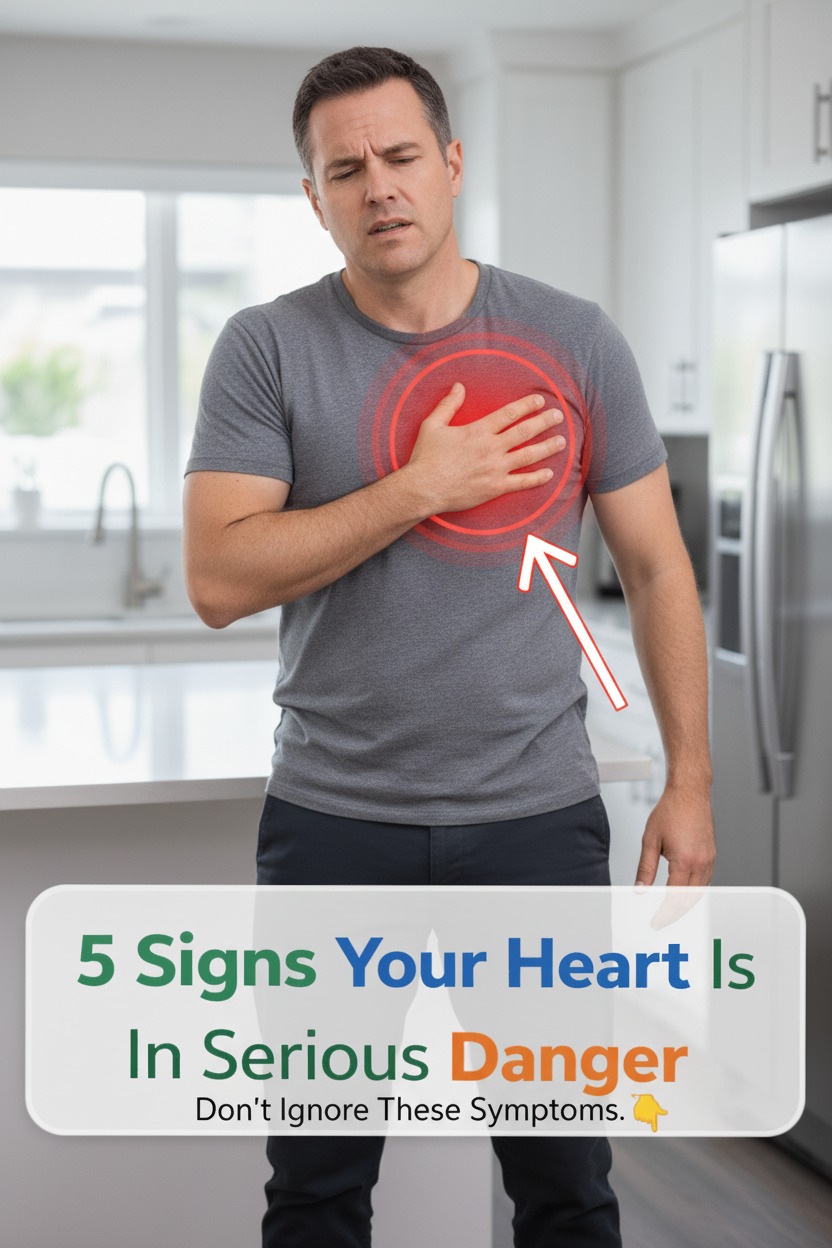
4. Mild discomfort in unconventional locations
Heart-related discomfort does not always present as classic chest pain. Instead, it may show up as mild pressure, tightness, or indigestion-like sensations in atypical areas such as the jaw, neck, back, or upper abdomen. These symptoms can easily be mistaken for muscle strain, acid reflux, or dental issues.
Such atypical presentations are especially common in women and older adults. They often occur intermittently and may not be severe enough to prompt immediate concern. However, these subtle discomforts can indicate reduced blood flow to the heart muscle (ischemia) and should be documented carefully.
Maintaining a symptom diary noting the timing, duration, intensity, and triggers of these sensations can be valuable information for your healthcare provider. Diagnostic approaches might include an electrocardiogram (ECG) or stress testing to evaluate for coronary artery disease.
5. Coldness or changes in extremities
Persistent coldness in the hands or feet, along with skin changes such as thinning, hair loss, or a shiny appearance, can suggest impaired peripheral circulation often linked to cardiovascular disease. Narrowed or blocked blood vessels limit blood flow to these extremities, which not only causes discomfort but can also be a warning sign of systemic vascular problems.
These symptoms may signal underlying peripheral artery disease (PAD), which is associated with increased risk of heart attacks and strokes. If you notice such changes, especially when combined with other symptoms, a vascular evaluation including ankle-brachial index (ABI) testing may be recommended.
When to See a Doctor
If you experience any of these subtle warning signs—persistent fatigue, unexplained shortness of breath during light activity, swelling in the legs or feet, mild discomfort in less typical areas, or coldness and changes in your extremities—it is important to seek medical evaluation promptly. Early detection of cardiovascular issues through physical examination, imaging, and laboratory tests can enable timely intervention and significantly improve outcomes.
Conclusion
Heart disease often develops silently, with early symptoms that may be easy to overlook or attribute to other causes. Recognizing these quiet clues and acting on them by consulting a healthcare professional is a critical step in protecting your heart health. Alongside regular medical check-ups, maintaining a heart-healthy lifestyle—including balanced nutrition, regular exercise, stress management, and avoiding tobacco—can help reduce your risk of serious cardiovascular events.
Disclaimer: This article is for informational purposes only and does not replace professional medical advice. Always consult your healthcare provider regarding any symptoms or concerns about your heart health.





