3. Breathing difficulty or snoring
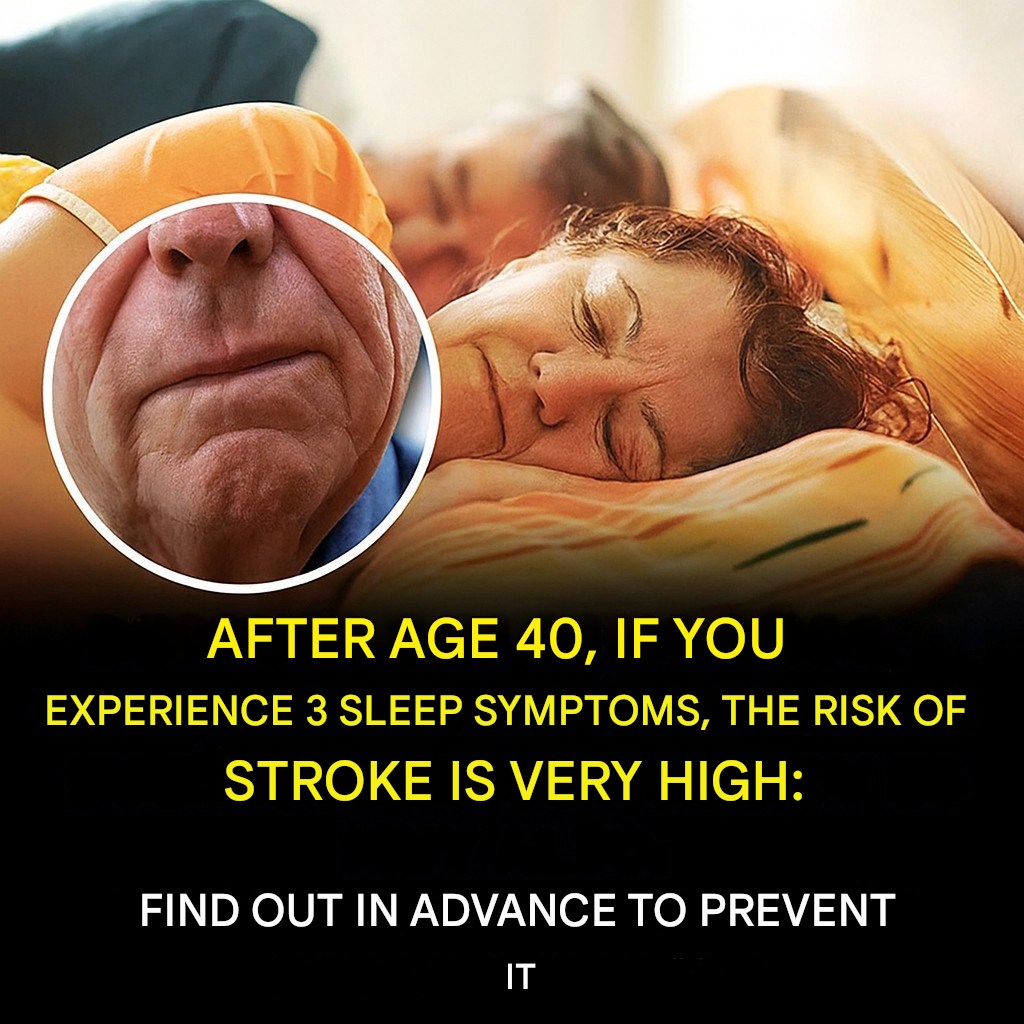
Difficulty breathing or loud snoring during sleep can indicate obstructive sleep apnea (OSA), a condition where airway blockages cause intermittent breathing pauses. These episodes reduce oxygen delivery to the brain and body, forcing the heart to work harder and increasing strain on blood vessels.
OSA is strongly linked to elevated risks of hypertension, stroke, and heart disease. Common signs include daytime fatigue, morning headaches, and restless sleep. Diagnosis typically involves a polysomnography (sleep study) to monitor breathing patterns and oxygen levels overnight.
Treatment options range from lifestyle changes and continuous positive airway pressure (CPAP) therapy to surgical interventions, depending on severity. Addressing sleep apnea can significantly reduce cardiovascular risks.
When to See a Doctor
If you frequently experience leg cramps, numbness, cold extremities, or breathing difficulties during sleep, especially when accompanied by dizziness, blurred vision, swelling, or fatigue, you should seek medical evaluation promptly. Persistent symptoms may indicate underlying circulatory or cardiovascular disorders requiring diagnostic testing such as blood pressure monitoring, blood tests, Doppler ultrasound, or sleep studies.
Early diagnosis and treatment of vascular problems and sleep apnea can prevent serious complications like stroke and heart disease. Consult your primary care provider or a specialist such as a cardiologist, vascular surgeon, or sleep medicine physician if you notice these warning signs.
Conclusion
Circulation problems often manifest subtly during sleep after age 40, through signs like leg cramps, cold or numb hands, and breathing issues. Recognizing these symptoms early and taking appropriate action can protect your cardiovascular health and improve quality of life. Adopting healthy habits, managing risk factors, and seeking timely medical care are essential steps to prevent serious vascular complications.
Disclaimer: This information is for educational purposes and does not replace professional medical advice. Always consult your healthcare provider for diagnosis and treatment of medical conditions.