9. Coldness and Slow-Healing Sores in Legs
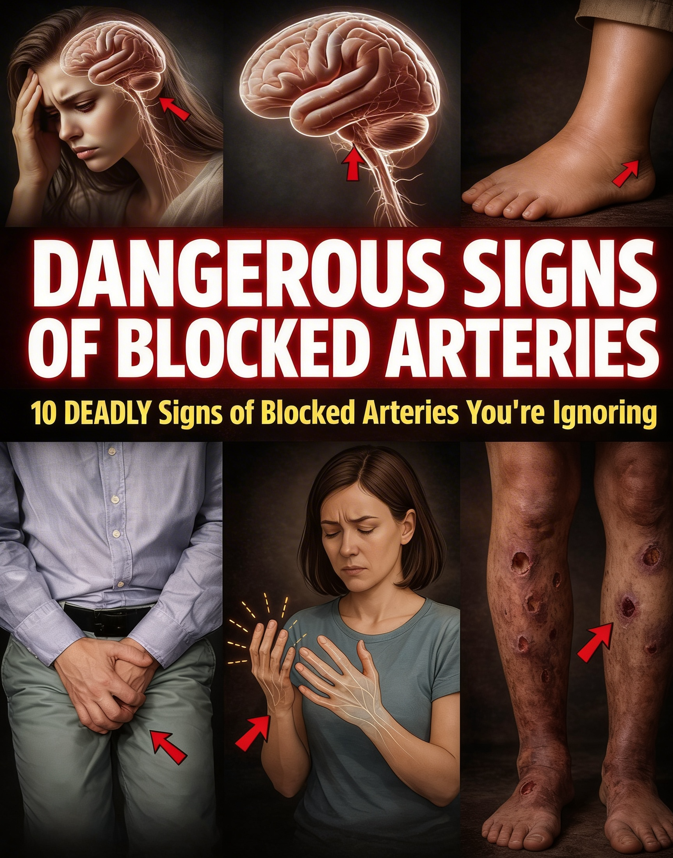
Persistent cold feet, pale or bluish skin, and wounds or sores on the legs or feet that heal slowly are signs of advanced peripheral artery disease. These occur because reduced blood flow deprives tissues of oxygen and nutrients necessary for healing.
Patients with these symptoms are at increased risk for infections, gangrene, and potential limb loss. Early identification and treatment can prevent serious complications.
10. Changes in Erectile Function
For men, persistent difficulty achieving or maintaining an erection can be an early warning sign of systemic atherosclerosis. The penile arteries are smaller and may show signs of reduced blood flow before coronary arteries become symptomatic.
Discussing erectile dysfunction with a healthcare provider can lead to cardiovascular risk assessment and timely intervention, often improving overall health outcomes.
When to See a Doctor
If you experience any of the signs described, especially recurring or worsening symptoms, it is important to consult your healthcare provider promptly. Sudden or severe symptoms such as intense chest pain, acute limb pain with coldness and numbness, or stroke-like episodes require immediate emergency care.
During your visit, be prepared to describe symptom patterns, timing, triggers, and any accompanying signs such as sweating or weakness. This information helps guide appropriate testing, which may include blood tests, electrocardiograms, imaging studies, or vascular evaluations.
Conclusion
Blocked arteries can manifest through a variety of subtle and overt symptoms affecting different parts of the body. Early recognition of these warning signs increases the likelihood of successful management through lifestyle changes, medications, and, when necessary, procedures to restore blood flow.
Listening to your body’s signals and seeking timely medical advice helps protect your heart, brain, and limbs, supporting a longer, healthier life.
This article is for informational purposes only and is not a substitute for professional medical advice. If you experience sudden chest pain, shortness of breath, severe dizziness, one-sided weakness or numbness, speech or vision changes, or sudden severe limb symptoms, seek emergency medical help immediately. For ongoing or concerning symptoms, please consult your healthcare provider or cardiologist as soon as possible.





