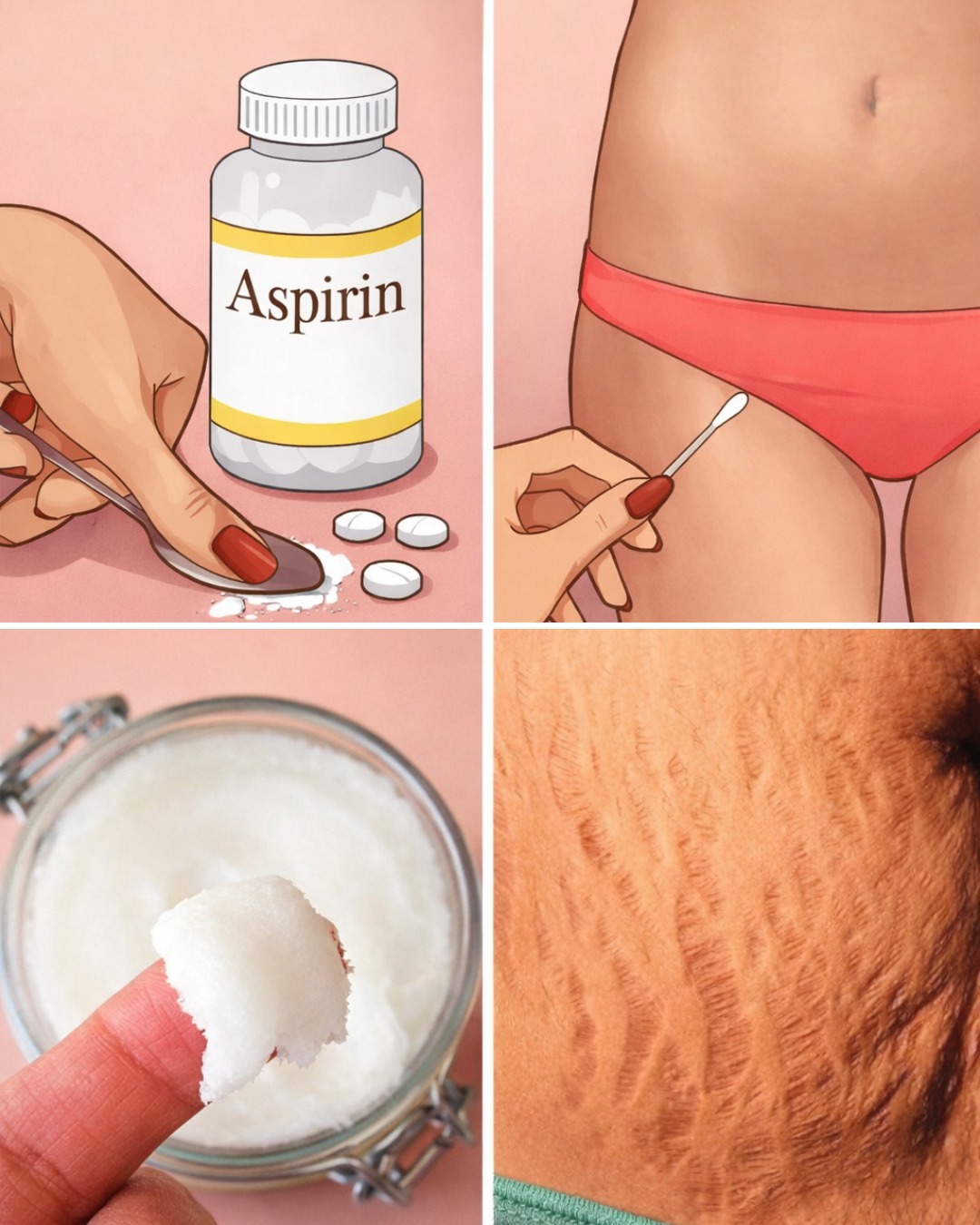
1. Insect bite relief
To address the discomfort from insect bites, some try applying a paste made by crushing one or two uncoated aspirin tablets mixed with a few drops of water. This paste is then gently applied to the bite area for about 10 minutes before rinsing off. The idea is that aspirin’s acetylsalicylic acid has anti-inflammatory properties that might reduce redness and swelling.
However, clinical evidence shows that while aspirin may reduce some redness, it does not reliably relieve itching. Additionally, applying aspirin topically can cause skin irritation, dryness, or even increase absorption risks, especially on broken skin.
- Do not apply aspirin paste on open wounds, sensitive facial skin, or near the eyes.
- Avoid this method if you have aspirin allergy or sensitive skin.
- Instead, consider over-the-counter hydrocortisone creams or calamine lotion for safer, targeted itch relief.
2. Acne spot treatment
Crushed aspirin is sometimes used as a spot treatment for acne due to its chemical similarity to salicylic acid, a common acne-fighting ingredient. To try this, dissolve one or two aspirin tablets in a small amount of water to form a paste and apply it directly to pimples for 10 to 15 minutes before rinsing.
Despite this popular home remedy, dermatologists note there is limited scientific support for aspirin’s effectiveness in treating acne. The paste can cause skin dryness, irritation, and peeling, which may worsen sensitive or inflamed areas.
- Do not use aspirin paste on large facial areas or broken skin to avoid excessive absorption.
- Those with aspirin allergies should avoid this approach.
- Safer and more effective options include commercially formulated salicylic acid or benzoyl peroxide products designed for acne.
3. Callus softening
To soften thick calluses, a common home remedy mixes crushed aspirin with lemon juice to create a paste that is applied to the affected area and covered with a warm cloth for 10 to 15 minutes. This method leverages the keratolytic properties of salicylic acid derivatives to break down hardened skin.
While anecdotal reports support some softening effect, professional callus removers containing controlled concentrations of salicylic acid pads or creams provide safer and more consistent results. The aspirin and lemon mixture can cause skin irritation or chemical burns if left on too long or applied to sensitive skin.
- Avoid using this paste on cracked or bleeding skin.
- Do not apply to sensitive areas like the soles if you have diabetes or circulation problems without medical advice.
- Opt for over-the-counter callus treatments designed for foot care when possible.





