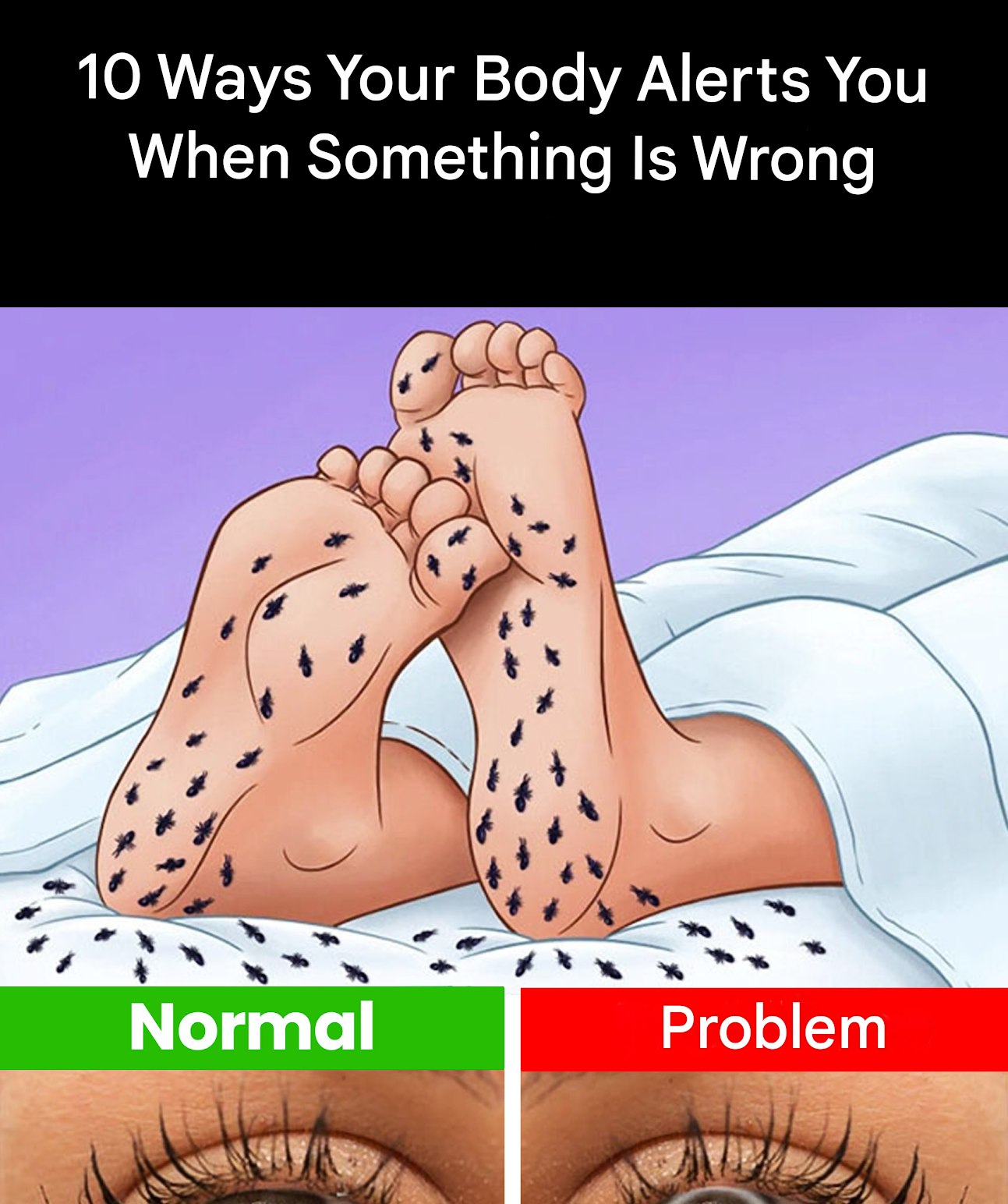
5. Excessive sleepiness
If you find yourself sleeping excessively or feeling overwhelmingly tired despite adequate rest, this may indicate an underlying health issue rather than simply being overtired. Conditions such as sleep apnea, hypothyroidism, anemia, or chronic fatigue syndrome often cause persistent fatigue and excessive daytime sleepiness.
Sleep apnea, characterized by interrupted breathing during sleep, can severely degrade sleep quality and lead to daytime exhaustion. Hypothyroidism slows metabolism, resulting in fatigue and lethargy. Similarly, iron-deficiency anemia reduces oxygen delivery to tissues, causing tiredness.
Addressing excessive sleepiness starts with a thorough medical evaluation including blood tests (such as thyroid panels and complete blood count) and possibly a sleep study. Treatments vary based on diagnosis but may involve CPAP therapy for sleep apnea, thyroid hormone replacement, or iron supplementation.
6. Gray ring around the eye
A faint gray or white ring encircling the iris, known medically as arcus senilis when occurring in older adults, could be an important clinical sign. In younger individuals, this ring may indicate elevated blood lipid levels, specifically high cholesterol or triglycerides, which increase cardiovascular risk.
While an isolated gray ring is not harmful itself, it suggests the need for a lipid profile blood test to assess cardiovascular health. Early detection of dyslipidemia enables timely lifestyle interventions and, if necessary, pharmacological treatment to reduce the risk of heart disease.
When to See a Doctor
- If restless legs disrupt your sleep regularly or worsen over time.
- If skin thickening is persistent or accompanied by other systemic symptoms.
- When you notice a sustained reduction in your sense of smell or vivid, disturbing dreams.
- If mood changes interfere with your daily activities or relationships.
- When excessive sleepiness affects your ability to function or persists despite adequate rest.
- If you observe a gray ring around your iris, especially under age 40, or have risk factors for cardiovascular disease.
Consulting a healthcare professional for evaluation and appropriate diagnostic tests is essential for these signs. Early diagnosis and management can prevent complications and improve quality of life.
Conclusion
Your body communicates through various subtle signs that something may be amiss internally. Paying attention to symptoms like restless legs, skin changes, altered smell and dreams, mood shifts, abnormal sleepiness, and eye discoloration can guide timely medical consultation. Proactive health monitoring and professional guidance are key to maintaining well-being.
This information is for educational purposes and does not replace professional medical advice. If you experience any concerning symptoms, please consult your healthcare provider.





