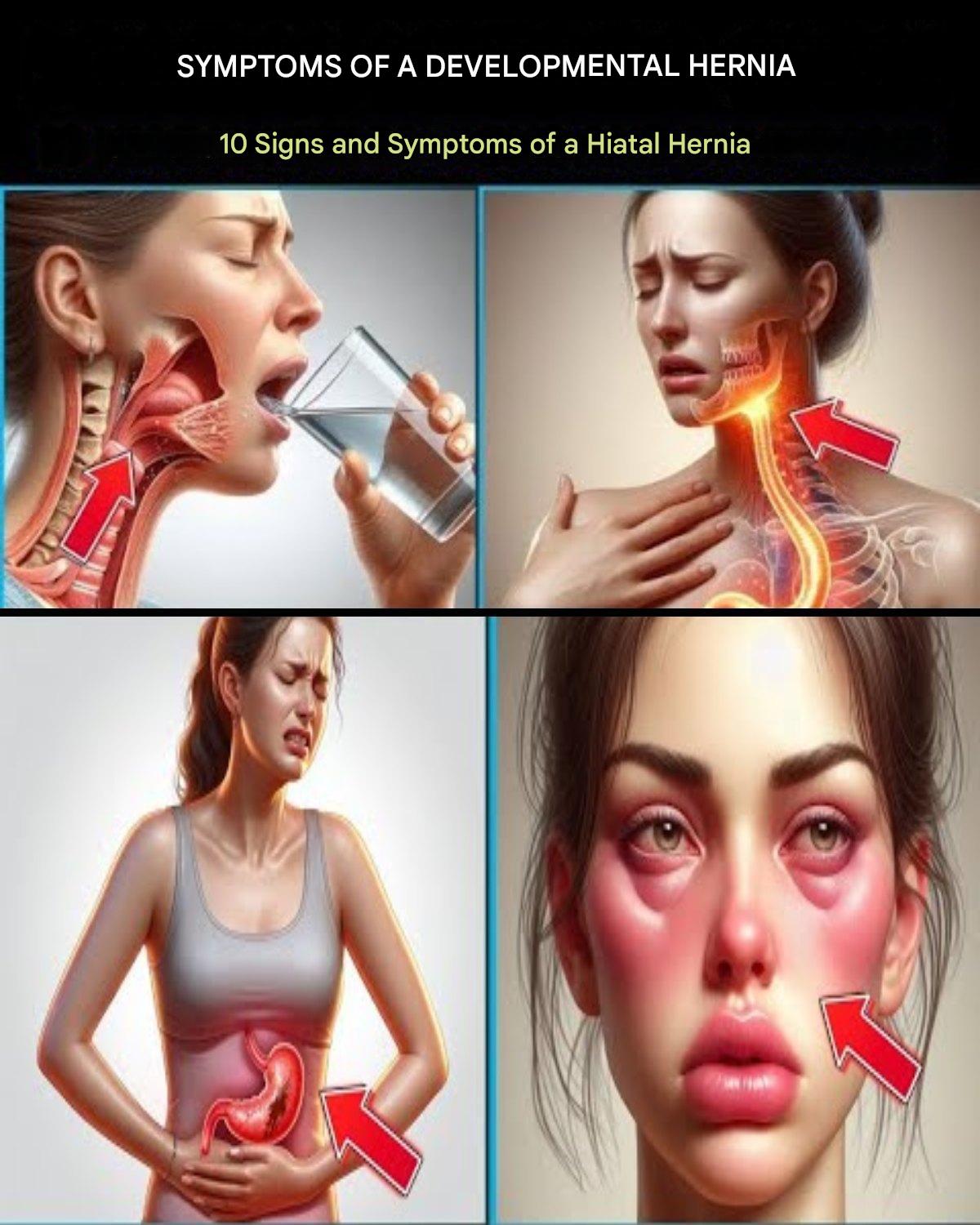
9. Regurgitation of acidic food or liquid
Regurgitation occurs when acidic stomach contents flow back into the esophagus and mouth, leaving a sour or bitter taste. This is common in hiatal hernia due to the disruption of the normal barrier between the stomach and esophagus.
Regurgitation can cause dental erosion and throat irritation if frequent. Avoiding large meals and lying down soon after eating may help reduce episodes.
10. Excessive burping
Excessive burping happens as trapped air is released due to the altered anatomy from a hiatal hernia. This can be uncomfortable and socially embarrassing, especially after meals.
Burping often accompanies other reflux symptoms and may be triggered by carbonated beverages or swallowing air while eating.
When to See a Doctor
If you experience persistent or severe symptoms such as difficulty swallowing, chest pain, unintentional weight loss, or vomiting, you should consult a healthcare professional promptly. These signs may indicate complications requiring diagnostic evaluation like endoscopy or imaging.
Early diagnosis and treatment can prevent serious outcomes, including esophageal damage or strangulation of the hernia.
Conclusion
Hiatal hernia symptoms vary widely but recognizing the key signs can lead to timely medical care and improved quality of life. Lifestyle changes, medication, and in some cases surgery are effective treatments.
Monitoring your symptoms and discussing them with your doctor is the best way to manage this condition successfully.
This article is for informational purposes only and does not replace professional medical advice. Please consult your healthcare provider for personalized guidance.





